
Bird Care
What Is the Best Beginner Bird? — Expert Recommendations for Your First Exotic Bird
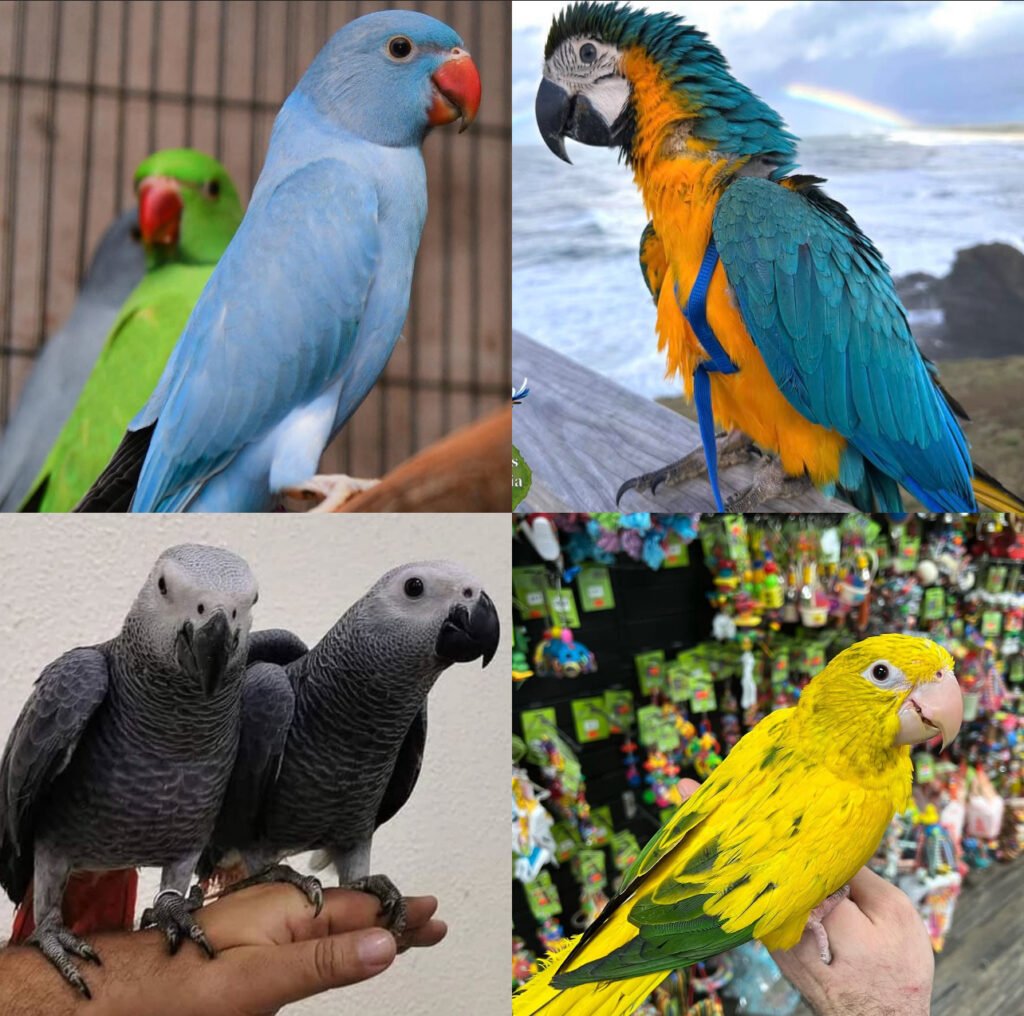
Jan
By Dr. Brian Olson | Exotic Bird Breeder, California | 15 Years Experience
What is the best beginner exotic bird? The answer changes depending on who you are, where you live, and what you want from a bird. A perfect beginner bird for an apartment dweller who wants a talking companion is different from the best first bird for a family with young children, which is different again from the best choice for someone who primarily wants visual beauty and elegant song without hands-on demands. After 15 years of placing birds with first-time owners in California, here are my specific recommendations for each situation.
The Universal Beginner Bird: Cockatiel
If I had to name one bird for all first-time owners regardless of situation, it is the Cockatiel. They are forgiving of inexperience, gentle enough for children, manageable in apartments, capable of beautiful whistling and some speech, long-lived enough to be a real companion, and available in a beautiful range of color mutations. In 15 years of placing birds, I have seen more successful first-time owner outcomes with Cockatiels than with any other species.
Best Beginner Bird by Situation
Best for Apartments (Low Noise Priority)
- First choice: Cockatiel — melodic whistling, not screaming
- Second choice: Parrotlet — tiny, quiet, full parrot personality
- Third choice: Canary — beautiful song at low volume; no handling required
- Avoid: Sun Conure, any Macaw, most Amazon Parrots
Best for Families with Young Children
- First choice: Cockatiel — gentle, rarely bites hard, tolerates children
- Second choice: Society Finches or Zebra Finches — observe and enjoy without hands-on handling concerns
- Caution: Parrotlets are small but can be nippy — supervise closely with young children
- Avoid: Large parrots, any species requiring experienced handling
Best Talking Bird for Beginners
- First choice: Quaker Parrot — outstanding talker; manageable size; legal in California
- Second choice: Indian Ringneck Parakeet — exceptional vocabulary but requires commitment through bluffing phase
- Third choice: Cockatiel — more likely to learn whistles/tunes than words, but some do talk
- Note: African Greys are the best talkers overall but are not beginner birds — save that for your second or third parrot
Best Bird for Someone Who Wants to Observe (Not Handle)
- First choice: Lady Gouldian Finches — spectacular visual beauty; colony aviary is a living artwork
- Second choice: Canaries — beautiful song; no handling required
- Third choice: Mixed finch aviary (Zebra + Society + Owl Finch) — activity, variety, natural behavior
- All of these are easier to care for than parrots and excellent for owners who prefer observation to interaction
Best Bird for Someone Who Works Full Time
- First choice: Paired Cockatiels or Parrotlets — companion bird reduces alone-time stress
- Second choice: Finch colony or canary — social, self-entertaining, do not require daily interaction
- Note: Single parrots left alone 8+ hours daily without enrichment are at risk of developing behavioral problems. If you work full time, pair your parrot or choose a species that thrives with a bird companion.
The One Mistake Every First-Time Owner Should Avoid
Starting with a species that is beyond your current experience level. This is the mistake that fills parrot rescues. Starting with a manageable species, learning the fundamentals of bird care and training, building your relationship skills — and then progressing to a more demanding bird — produces better outcomes for you and the birds. The experienced Macaw owner you hope to become is built through the Cockatiel you start with. There is no shortcut that produces a good outcome.
Frequently Asked Question
What is the cheapest exotic bird to own?
Budgerigars and Zebra Finches have the lowest purchase price and lowest ongoing care costs. A well-cared-for Budgie can be brought home and set up for under $200 total. For someone on a tight budget who wants to start with birds, these are the sensible starting points.
What bird requires the least attention?
Finches and canaries require the least daily hands-on interaction. They need fresh food and water daily and cage cleaning weekly, but they do not require direct handling and thrive in pairs or groups without human interaction time. They are the right choice for people with busy schedules who want birds they can observe and enjoy.
Is a parrot or a cat easier to own?
They are different challenges. A cat is more independent and lower time-commitment; a parrot requires more structured daily interaction. A parrot typically has fewer 3am emergencies, does not scratch furniture, and does not require outdoor access. The right answer depends on which type of commitment matches your lifestyle better.
How do I know if I am ready for an exotic bird?
Ask yourself: Can I commit to 30–60 minutes of daily direct interaction? Can I afford quality food, cage setup, and annual vet care? Will I still be keeping this bird in 15–30 years when my life circumstances change? If you can honestly answer yes to all three, you are ready. If any answer is uncertain, start with finches or canaries until your circumstances settle.
What is the best first bird for someone who has never owned a bird before?
Cockatiels. Hands down. They are the most forgiving, most reliably gentle, most apartment-appropriate parrot species available. They bond with whole families, produce pleasant rather than piercing sound, live 15–25 years, and have been the ideal first bird for thousands of owners in California who came to me for the same advice.
Ready to find your first bird? Browse our available species at exoticbirdsbreeders.com/ or contact us to discuss your situation. We have helped hundreds of first-time bird owners in California find the right match — we are happy to help you too.
About the Author: Dr. Brian Olson is an exotic bird breeder and aviculturist based in California with over 15 years of hands-on experience. He is the founder of Exotic Birds Breeders, where he raises over 80 species of finches, canaries, and parrots. Visit exoticbirdsbreeders.com/ to browse available birds.
