


Canary – Lizard
$120.00
The Lizard Canary is believed to be one of the oldest canary breeds in existence, with documented history stretching back to 17th-century England. Kept specifically for its feather pattern rather than type, color, or song, the Lizard’s defining characteristic is its striking ‘spangling’ — rows of crescent-shaped dar…
400 in stock
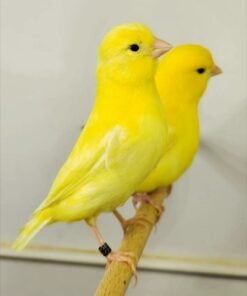
The Lizard Canary is believed to be one of the oldest canary breeds in existence, with documented history stretching back to 17th-century England. Kept specifically for its feather pattern rather than type, color, or song, the Lizard’s defining characteristic is its striking ‘spangling’ — rows of crescent-shaped dark feather markings across the back and wings resembling lizard scales, hence the name. A well-spangled Lizard has regular, symmetrical rows of markings from nape to tail with a clearly defined cap on top of the head.
The Annual Rarity — First-Year Birds
One of the most fascinating aspects of the Lizard Canary is that perfect spangling exists for only one year — during their first year as young birds. After the first molt the clear, regular spangling gradually disappears. This makes first-year Lizard Canaries especially prized at shows, where they compete as ‘non-molted’ or ‘first-year’ birds in their own class.
Care
Lizard Canaries have standard care requirements. Provide a clean cage, quality canary seed mix, egg food, fresh greens, and regular bathing. They are robust and easy to keep. A spacious flight cage helps maintain feather quality — of paramount importance in this breed.
Frequently Asked Questions
Why is it called a Lizard Canary?
The name comes from the distinctive scale-like feather patterning (called spangling) across the bird’s back and wings, which resembles lizard scales.
Do Lizard Canaries lose their patterning with age?
Yes. The clear symmetrical spangling is most perfect in the first year. After the first annual molt the spangling gradually becomes less defined — which is why first-year birds are most valued for showing.
Are Lizard Canaries rare?
The breed nearly went extinct after WWII but has been carefully preserved by dedicated breeders. Quality Lizard Canaries are available from specialist breeders.
What is the ‘cap’ in Lizard Canary breeding?
The cap refers to the clear unpatterned feather area on top of the head. A clear, well-defined cap is highly prized. Birds can be clear-cap, broken-cap, or non-cap.
Related Pages
Be the first to review “Canary – Lizard”
Related products

Canaries

Canaries

Canaries

Canaries

Canaries

Canaries

Canaries
Reviews
There are no reviews yet.