
Siberian goldfinch
$400.00
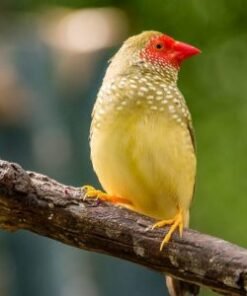
The Siberian Goldfinch is a striking exotic finch species prized for its vivid yellow-green plumage and lively, active nature. Popular among European finch keepers, it produces a pleasant song and does well in spacious flights and outdoor aviaries. This is the recommended primary listing for the Siberian Goldfinch —…
Siberian goldfinch for sale. if you’re searching for a from a knowledgeable breeder, you’re looking at one of aviculture’s most refined and rewarding finch species. The Siberian Goldfinch (Carduelis carduelis caniceps) — the Central Asian subspecies of the European Goldfinch — is prized for its elegant grey-headed plumage, vivid yellow wing bars, and exceptional singing ability. Whether you’re a seasoned finch keeper or building your first aviary, the Siberian Goldfinch is a standout choice. Contact us for current availability and pricing.
Siberian Goldfinch vs Yellow Finch — What’s the Difference?
This is one of the most common questions we receive, so let’s clear it up. When people compare the goldfinch vs yellow finch, they’re usually contrasting two very different birds:
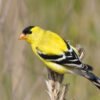
The American Goldfinch (commonly called the “yellow finch”) is a North American wild bird — bright canary-yellow in breeding males with bold black wings and cap. It is protected under the Migratory Bird Treaty Act and is not legally kept in captivity in the U.S.
The Siberian Goldfinch is a Eurasian species — legally kept in aviculture worldwide — with a distinctive grey head, warm brown streaked back, brilliant yellow wing stripe, and white rump. Where the American Goldfinch is a blaze of solid yellow, the Siberian is a study in subtle, refined elegance. For aviculturists, the Siberian Goldfinch is the species you want: legal, well-established in captive breeding, available in multiple mutations, and an outstanding singer.
Are Siberian Goldfinches Good Singers?
Yes — and this is one of the primary reasons they are so highly valued. Siberian Goldfinches are exceptional singers, producing a rich, fluid, and varied song that ranks among the finest in the finch world. The song of the male Siberian Goldfinch is melodious and complex — often described as a liquid, twittering cascade — similar in quality to the European Goldfinch but with its own distinctive character. Males sing consistently throughout much of the year, particularly in the morning hours, making them a genuine highlight in any aviary or bird room. If you value song quality in your birds, the Siberian Goldfinch belongs at the top of your list.
Siberian Goldfinch Mutations
One of the most exciting aspects of keeping Siberian Goldfinches is the growing range of captive-bred color mutations available. Siberian Goldfinch mutations are actively developed by specialist breeders across Europe and increasingly in the U.S.
- Agate — reduces black melanin pigment, producing a softer, diluted appearance with pastel tones replacing the normal dark markings.
- Isabel (Cinnamon) — replaces black with warm brown tones throughout the plumage, giving a rich, earthy variation.
- Pastel — a further dilution of normal colors, producing lighter, washed-out birds that appeal to collectors seeking subtle elegance.
- Lutino — removes all dark pigmentation, leaving yellow and white plumage with red eyes. Rare and highly sought after.
- Albino — complete absence of melanin; pure white plumage with pink eyes. One of the rarest mutations in the species.
- Pied — irregular white patches replace normal-colored feathers, with no two birds patterned identically.
- Eumo / Onyx / Topaz — structural mutations affecting feather texture and color expression, producing iridescent or unusual qualities prized by specialist breeders.
Many mutations can be combined to produce compound variations like Agate-Isabel or Pastel-Pied — each bird genuinely one of a kind. Contact us to discuss what mutation stock we currently have available.
Diet & Nutrition
The Siberian Goldfinch is primarily a seed eater with a strong preference for small, oil-rich seeds. A balanced diet should include:
- Staple seeds — Niger (nyjer/thistle) seed is the goldfinch’s favorite and should make up a significant portion of the diet, supplemented with a quality foreign finch or canary seed mix.
- Sprouted seeds — Soaking and sprouting seeds dramatically improves nutritional value and digestibility. Offer daily when possible.
- Fresh greens — Chickweed, dandelion leaves, seeding grasses, and spinach are all readily accepted and nutritionally beneficial.
- Egg food — Essential during breeding season to support egg production and healthy chick development. Offer from the start of the breeding season through fledging.
- Live food — Small mealworms or waxworms during breeding provide a valuable protein boost, particularly when chicks are in the nest.
- Minerals — Cuttlebone and mineral grit should be available at all times for calcium intake and beak conditioning.
- Water — Fresh, clean water changed daily. Siberian Goldfinches enjoy bathing — a shallow dish is appreciated.
DNA Testing & Sexing
The Siberian Goldfinch is largely monomorphic — meaning males and females look nearly identical to the untrained eye, particularly outside of breeding season. While experienced breeders can sometimes distinguish sex by subtle differences in head size, red mask extent, and overall body size, these differences are unreliable and vary between individuals and mutations.
DNA feather or blood testing is strongly recommended for anyone purchasing Siberian Goldfinches, especially mutation birds where visual sexing cues may be further masked by altered pigmentation. DNA sexing is accurate, stress-free, and inexpensive relative to the cost of the birds. We can advise on testing laboratories and, where possible, supply pre-tested birds. Knowing the sex of your birds before pairing is essential for managed mutation breeding programs and avoids wasted breeding seasons with same-sex pairs.
Frequently Asked Questions
How much does a Siberian Goldfinch cost?
Siberian Goldfinch prices vary based on color mutation, age, sex, and whether the bird has been DNA tested. Normal-colored birds are generally more affordable; rare mutations such as Lutino, Albino, or compound mutations carry a premium. Contact us for current pricing — we are transparent about costs and happy to advise on value relative to mutation rarity.
Are Siberian Goldfinches legal to own in the U.S.?
Yes. The Siberian Goldfinch is a captive-bred Eurasian species and is fully legal to keep in the United States. It is not subject to the same protections as native North American finches such as the American Goldfinch. All our birds are captive-bred and sourced legally.
How do Siberian Goldfinches compare to European Goldfinches?
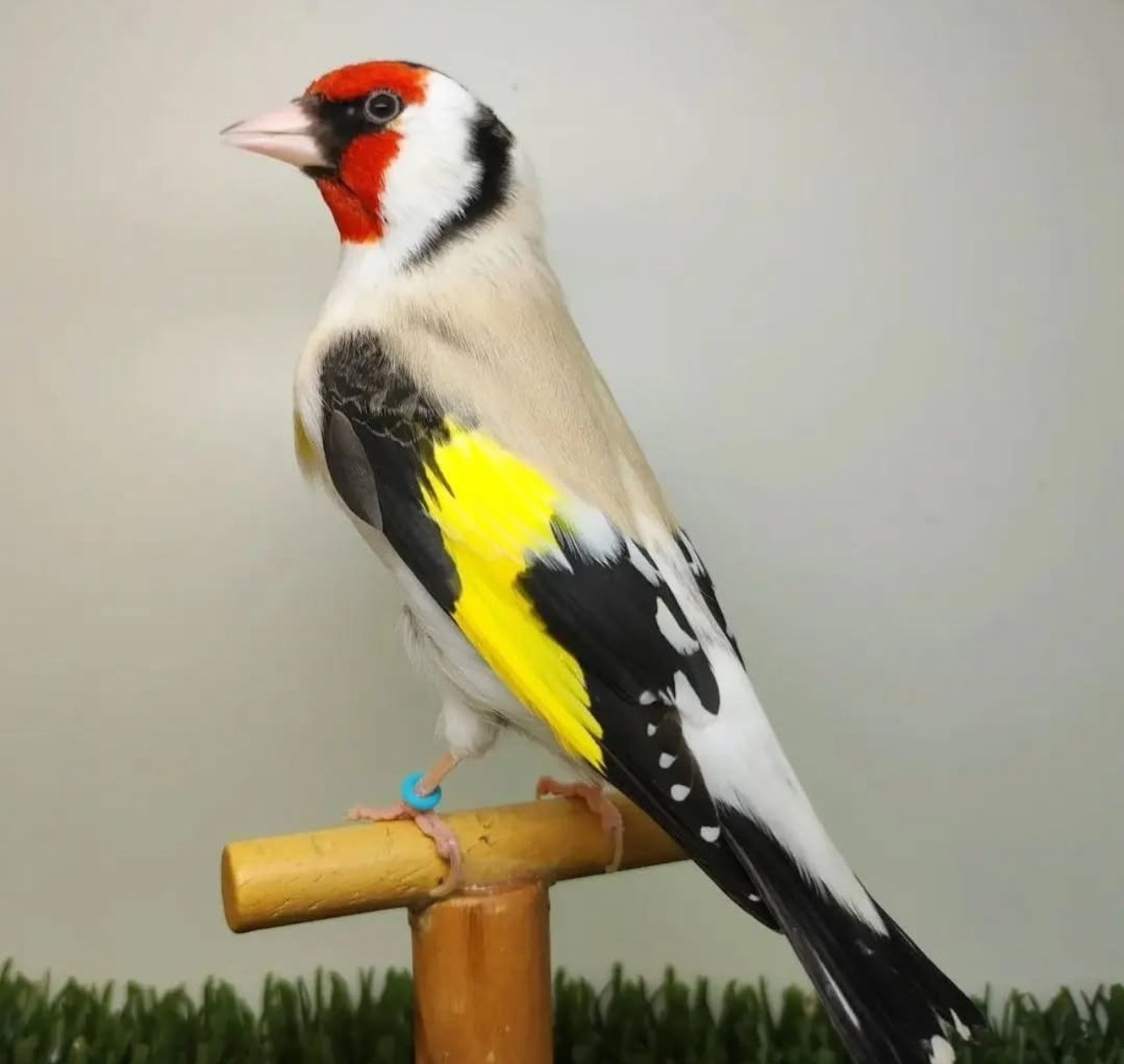
The Siberian Goldfinch is the Central Asian subspecies of the European Goldfinch. The key visual difference is the head: the European has a striking red, white, and black facial pattern, while the Siberian has a clean grey head with no red face. Song quality is comparable — both are excellent singers. Both make rewarding aviary birds; the choice often comes down to aesthetic preference and mutation availability.
What size aviary do Siberian Goldfinches need?
A minimum cage size of 36″ wide is acceptable for a pair, but Siberian Goldfinches are active fliers and genuinely thrive in a planted flight aviary where they can exercise and exhibit natural behavior. A well-planted aviary with dense perching, varied seed stations, and shelter from wind is the ideal setup.
Can Siberian Goldfinches be kept with other finches?
Yes — they are generally compatible with similarly sized, non-aggressive finch species including canaries, siskins, greenfinches, and other goldfinch varieties. Males can show territorial behavior during breeding season, so provide adequate space and visual breaks between pairs. Always introduce new birds carefully and observe for the first few days.
Related Pages
Finchies category page | European Goldfinch | Black Hooded Siskin | European Greenfinch
Be the first to review “Siberian goldfinch”
Related products
Finchies
Finchies

Finchies

Finchies
Finchies
Finchies
Finchies
Reviews
There are no reviews yet.